Why Regular Lifeboat and Liferaft Servicing Saves Lives at Sea
When you step aboard a vessel, you trust that every safety measure has been checked and maintained. Yet, many maritime accidents reveal a hidden truthlifeboats and liferafts often fail because they weren’t serviced properly. Regular lifeboat service and liferaft service aren’t just compliance requirements; they are life-saving practices that protect seafarers in emergencies.
In this blog, we’ll dive into why consistent servicing is vital, what international regulations demand, and how proper maintenance safeguards lives at sea.
The Importance of Lifeboat Service
Ensuring Safety Beyond Compliance
A lifeboat is the last line of defense during emergencies. Whether facing fire, flooding, or abandonment at sea, a well-maintained lifeboat can mean the difference between life and death. Regular lifeboat service guarantees:
Operational Readiness – Ensures the release gear, hooks, and davits function under pressure.
Structural Integrity – Identifies cracks, corrosion, or damage before failure.
Crew Confidence – Well-maintained equipment reassures crew members of their safety.
Why Liferaft Service Matters Equally
Liferafts: Your Floating Shelter
While lifeboats are robust, liferafts are versatile and deploy faster in emergencies. Regular liferaft service provides:
Inflation Reliability – Checks CO₂ cylinders and inflation systems.
Survival Equipment Readiness – Verifies rations, flares, and first-aid supplies are within expiry dates.
Compliance with SOLAS Regulations – Ensures alignment with international safety laws.
International Regulations on Lifeboat & Liferaft Servicing
SOLAS & IMO Standards
The International Maritime Organization (IMO) and SOLAS (Safety of Life at Sea) conventions mandate strict inspections for lifesaving appliances.
Lifeboats: Must be serviced annually by certified technicians. Liferafts: Require inspection at approved service stations every 12 months.
Records & Certificates: Ships must maintain updated records for port inspections.
Key Components Checked During Servicing
What Does a Lifeboat Service Include?
Release mechanisms and on-load/off-load hooks
Engine and fuel system functionality
Hull condition and seating checks
Emergency communications and lighting
What Does a Liferaft Service Include?
Cylinder pressure and inflation tests
Hydrostatic release unit (HRU) inspection
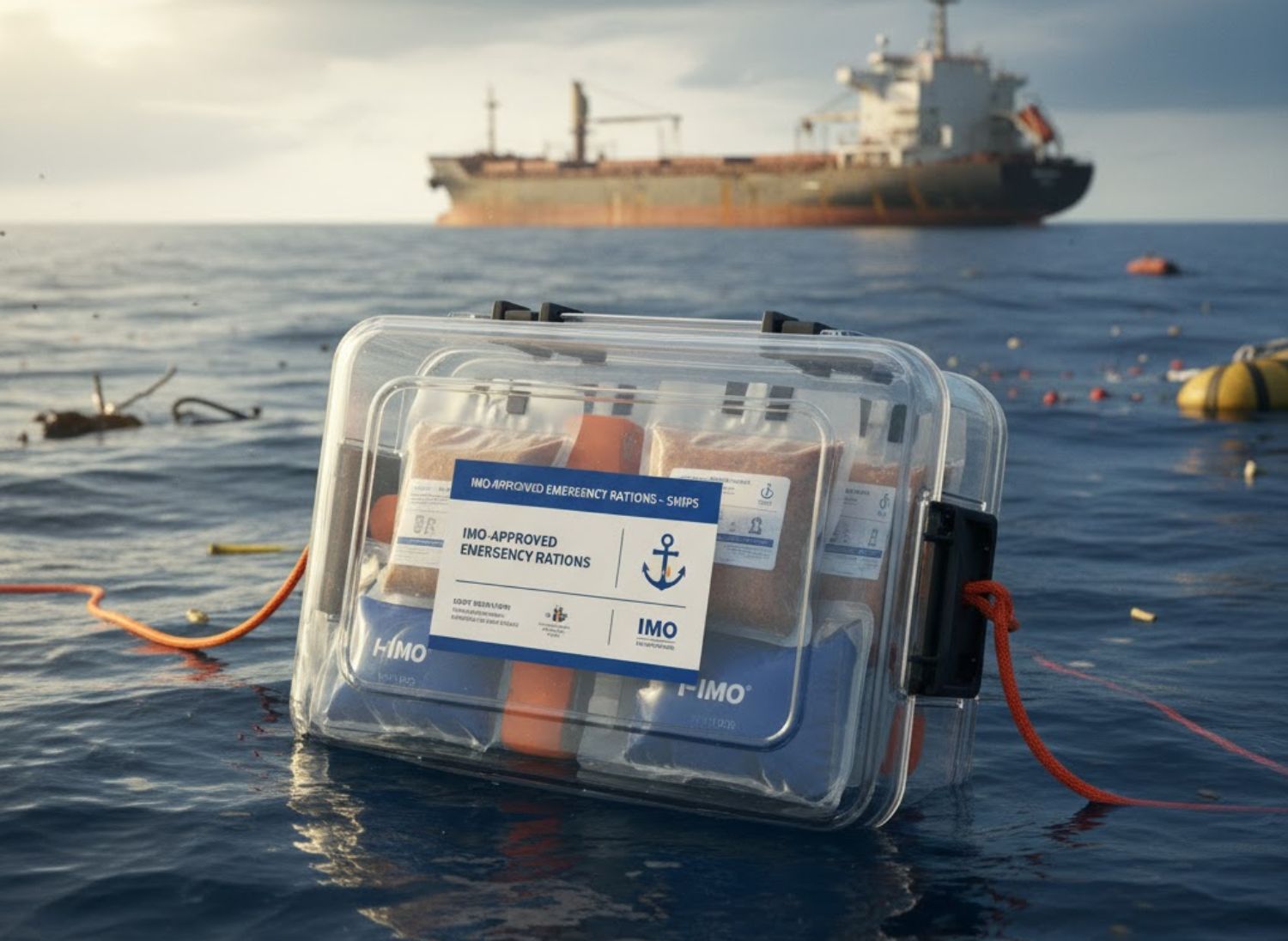
Emergency pack validation (food, water, medical kit, flares)
Leak testing of raft material
Risks of Skipping Servicing
Neglecting servicing can result in:
Lifeboats failing to launch when needed
Liferafts not inflating correctly
Heavy penalties during port inspections
Loss of crew trust and safety culture breakdown
Best Practices for Lifeboat & Liferaft Maintenance
Follow manufacturer’s servicing intervals
Use only certified service stations
Maintain detailed servicing records
Conduct monthly crew drills with lifesaving appliances
Never postpone scheduled inspections
Conclusion
Maritime safety begins with preparation, and that preparation depends on regular lifeboat service and liferaft service. Beyond compliance, consistent servicing is a promise of survival at sea. Whether you’re a shipowner, operator, or crew member, investing in regular checks means safeguarding lives when it matters most.