
Vessel Docking in Dubai: Mastering Marine Engineering Excellence in the World’s Busiest Maritime Hub
Introduction Picture this scenario: A fully loaded container vessel approaches...
Read More


As a ship owner operating in the dynamic maritime hub of Dubai and the UAE, staying ahead in safety and regulatory compliance is essential. At Arc Ship, we understand the rigorous demands you face when maintaining your fleet. Whether for offshore vessels or commercial shipping, choosing a class-approved marine safety supplier can be the difference between smooth operations and potential detentions or safety incidents. This guide walks you through the key criteria, checklist items, and steps to select a supplier that not only meets standards but adds real value to your operation.
Table of Contents
Toggle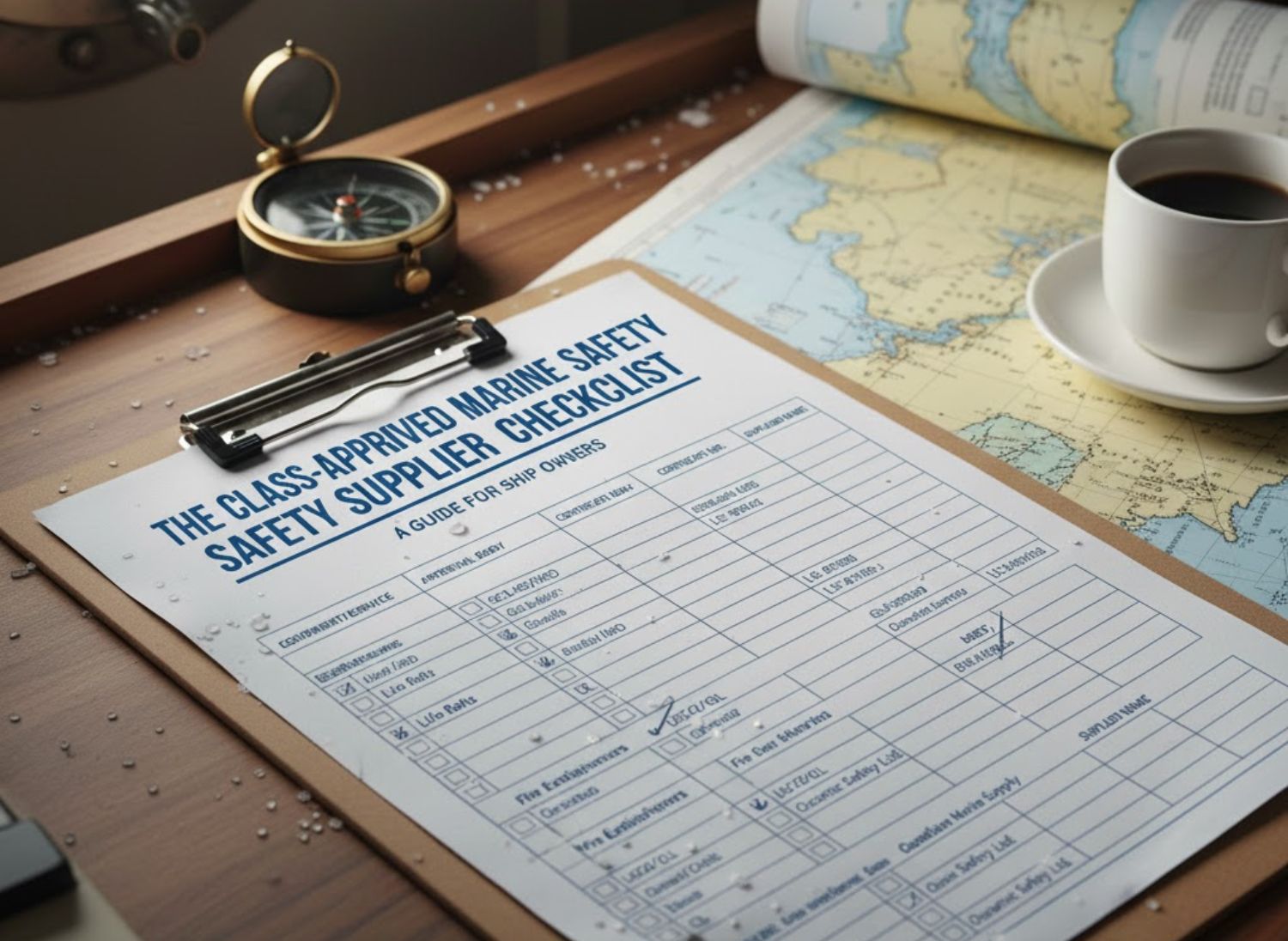
In the maritime sector, “class approval” refers to recognition by classification societies and flag-state authorities for equipment and suppliers used on vessels. It means the supplier or the safety equipment they provide has been assessed and meets specific standards for reliability, manufacture, and service.
For ship owners in Dubai and across the UAE, working with a class-approved supplier means fewer surprises during inspections, stronger documentation for port state control visits, and reduced risk of non-compliance fines. Choosing the right supplier is not just about ticking a box it’s about protecting your vessel, crew, and reputation.
When evaluating a marine safety supplier, start by verifying their approvals. Ask whether they are recognised by major classification societies and whether their certification is up to date. Check the scope of what the approval covers, the expiry date, and whether it extends to the specific equipment you need. Utilising non-approved suppliers can expose your vessel to detention risk, invalidated insurance claims, and operational downtime.
A reliable supplier will offer a comprehensive range of class-approved safety equipment.. lifejackets, liferafts, firefighting gear, personal protective equipment (PPE), and more. Beyond range, ask to see manufacturing specifications, quality control procedures, test certificates, and traceability records. This ensures you are getting equipment that meets your vessel’s class, flag-state and operational requirements.
Dubai and the UAE have their own port state controls, flag-state regulations, and operational procedures. Make sure the supplier not only understands the global standards but is well-versed in the regional landscape. They should be able to provide documentation tailored to inspections at ports such as Port Rashid and respond quickly to local service requirements. Regional experience matters.
Safety equipment isn’t a one-time purchase it requires ongoing inspection, servicing, certification renewal, and sometimes emergency replacement. Choose a supplier who offers local presence in Dubai/UAE or rapid response service networks. This ensures downtime is minimised and your crew’s safety is maintained.
Any supplier worth their salt will provide references and case studies from ship owners especially in the UAE region. Ask for testimonials, check their track record, review how they handle documentation, warranty claims, pricing transparency, and service contracts. Good vendors are open about lead-times, spare-parts availability, and supply-chain reliability.
While cost is always a factor, focusing solely on price can be a false economy. Cheap or non-approved equipment may trigger detentions, invalidate warranties or insurance, increase repair costs and create unsafe conditions. Conversely, investing in a trusted, class-approved supplier can save money in the long term through fewer interruptions, better compliance and peace of mind.
Here’s a practical tick-list you can use when selecting your marine safety supplier:
Lead times and supply-chain reliability confirmed, especially for replacements or urgent delivery.
At Arc Ship, we specialise in helping ship owners across Dubai and the UAE navigate the complex world of marine safety equipment. We partner with class-approved manufacturers and suppliers, offering you trusted solutions that meet both global and regional standards.
When you engage with us, you gain access to:
Transparent pricing and efficient delivery across Dubai, Abu Dhabi and the wider Gulf region.
Visit our service page for full details: Marine Safety Equipment – Dubai
Q1: What if my equipment is already installed but the supplier is not class-approved?
If the equipment on board is from a non-approved supplier, you face increased risk of detention or insurance challenges. It’s wise to review replacement options or retrofit service agreements with class-approved vendors.
Q2: How often should I review my safety supplier and equipment?
Review at least annually or before major inspections. Also review after a port call or classification society visit where non-compliance issues were flagged.
Q3: Can I switch suppliers mid-term and what are the implications?
Yes , but you should ensure the new supplier’s equipment and service history integrate smoothly. Review compatibility, certificates, change-over costs and lead times.
Q4: What documentation should I keep on board and in the office?
Keep spare certificates, spare part lists, service reports, maintenance logs, supplier warranties and equipment breakdown history. These support compliance during inspections.
Q5: How does this affect port state control inspections in Dubai/UAE?
Using a class-approved supplier with full documentation improves your readiness. Inspectors often check equipment certification, service status, supplier credentials and documentation. Being well-prepared reduces risk of delays or detentions.
For ship owners in Dubai and across the UAE, the stakes are high: safety, compliance and reputation all hinge on working with the right marine safety supplier. By using this checklist and partnering with a trusted class-approved vendor like Arc Ship, you give your vessel the best chance of smooth operations, audit-ready documentation and peace of mind. Take action today, review your supplier, tick off the checklist, and make sure your next safety-equipment decision is the right one.

Head Office : SHED #182B AL JADDAF DRYDOCK WORLD, P.O BOX -65565, DUBAI, UAE
Tel: +971 555787949
Email: info@arcship.ae
© ARCSHIP MANAGEMENT. All rights reserved.