Introduction
The engine of your ship powers everything. The ship is dead in the water without it. Proper ship engine maintenance is a must for anyone in charge of an offshore support vessel or a cargo ship. In addition to extending engine life, proactive diagnostics and routine maintenance also reduce the risk of expensive repairs, downtime, and safety hazards.
Ship Engine Dependability Is Critical for Extended Cruises
A ship engine failure in the middle of a voyage can cause major safety risks, schedule strain, and cargo delays. Downtime is not only inconvenient but also costly in international trade. Because of this, marine operators need to make regular investments in ship engine maintenance.
The High Cost of Engine Failures and Downtime
Engine failure costs go beyond parts replacement:
- Emergency towing or port fees
- Loss of charter hire or freight rates
- Regulatory penalties and detentions
- Damaged reputation with clients and insurers
The bottom line? Skipping ship engine maintenance may seem cheaper until it isn’t.
Why Preventive Ship Engine Maintenance Saves Money and Time
Preventive ship engine maintenance allows you to catch wear and tear before it escalates. Think of it as insurance: a relatively small cost upfront saves you from massive losses later.
Common Engine Failures and Their Causes
Overheating and Cooling Issues
Blocked heat exchangers, damaged thermostats, or degraded coolant can lead to overheating. Persistent high temperatures degrade internal components and drastically shorten engine life.
Lubrication Problems
Poor oil quality or incorrect viscosity leads to accelerated wear. Routine oil testing and timely changes are critical. Lack of lubrication causes overheating, bearing failure, and even total seizure.
Ignoring Early Warning Signs
Unusual vibrations, higher fuel consumption, or sensor alerts are often brushed off. That’s a mistake. Small issues grow rapidly in marine engines; early diagnostics are key to prevention.
Improper Overhaul Timing
Overhauls aren’t optional. Skipping or delaying them disrupts the engine’s balance and causes irreversible internal damage. OEMs often recommend interval-based overhauls follow them religiously.
Proven Ways to Extend Engine Life
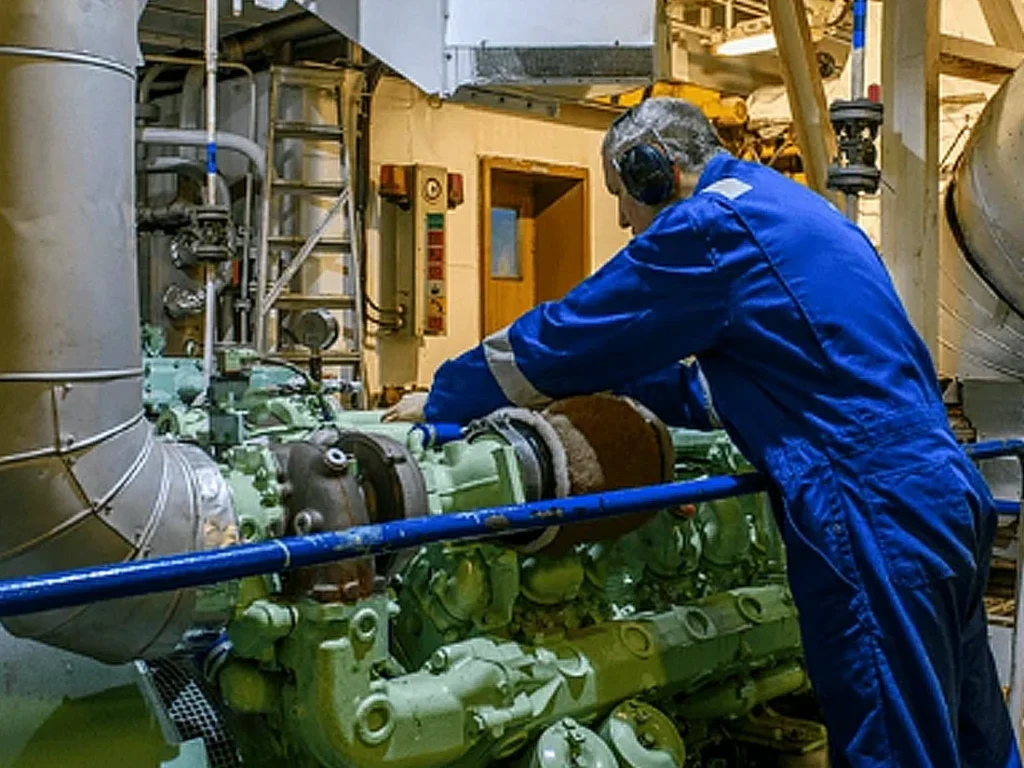
Regular Preventive Ship Engine Maintenance
- Inspect filters, belts, and hoses
- Check coolant levels and oil condition.
- Replace worn parts before failure occurs.
Scheduled Engine Overhauls
Every engine has a lifecycle. Overhauls reset this cycle by replacing or reconditioning major components. At Arcship, engine repair for ships includes:
- Cylinder head reconditioning
- Turbocharger balancing
- Crankshaft polishing and alignment
Using OEM-Approved Parts
Using unapproved parts may void warranties and lead to premature failures. Arcship sources only OEM-certified components for marine engine servicing to ensure compatibility and longevity.
Monitoring Engine Performance Digitally
Smart sensors and engine control units (ECUs) now allow remote performance monitoring:
- Fuel injection rates
- RPM and torque data
- Exhaust temperatures and emissions
Digital data helps detect issues before they’re physically noticeable, critical to extend engine life.
How Arcship Supports Long-Term Engine Health
With 700+ personnel operating worldwide, Arcship specializes in full-scope ship engine maintenance:
- Onboard diagnostics using cutting-edge tools
- Vibration and thermal analysis
- Complete overhaul and reconditioning in certified workshops
- Round-the-clock emergency engine repair for ships
Conclusion
Don’t treat your vessel’s engine as an afterthought. Whether you run a fleet or manage a single ship, extending engine life begins with consistent care. From regular oil checks to complete overhauls, every decision you make impacts performance, fuel efficiency, and profitability.
Arcship delivers proactive, reliable marine engine servicing to keep your vessel running smoothly; and to keep costly surprises at bay.
FAQs
How often should a ship engine be serviced?
Typically, every 2,000–3,000 hours for routine ship engine maintenance, with overhauls between 12,000–24,000 hours, depending on the engine type.
Can Arcship perform onboard engine diagnostics?
Yes. Arcship technicians use digital and manual diagnostic tools to assess engine health onboard or at port.
What’s the benefit of preventive ship engine maintenance?
It reduces breakdowns, extends engine life, improves fuel economy, and helps avoid expensive emergency repairs.
Does Arcship offer parts replacement, too?
Absolutely. Arcship supplies and installs OEM-certified components, ensuring regulatory compliance and peak engine performance.